Noise from ring blowers is a common issue in industrial settings. It affects operator comfort, can exceed workplace limits, and often signals inefficiencies in installation or operation. The good news is that most noise problems can be reduced with straightforward, targeted measures.
This article focuses on three proven solutions—mufflers, soundproof enclosures, and anti-vibration bases—along with practical tips to get the best results without overcomplicating the system.
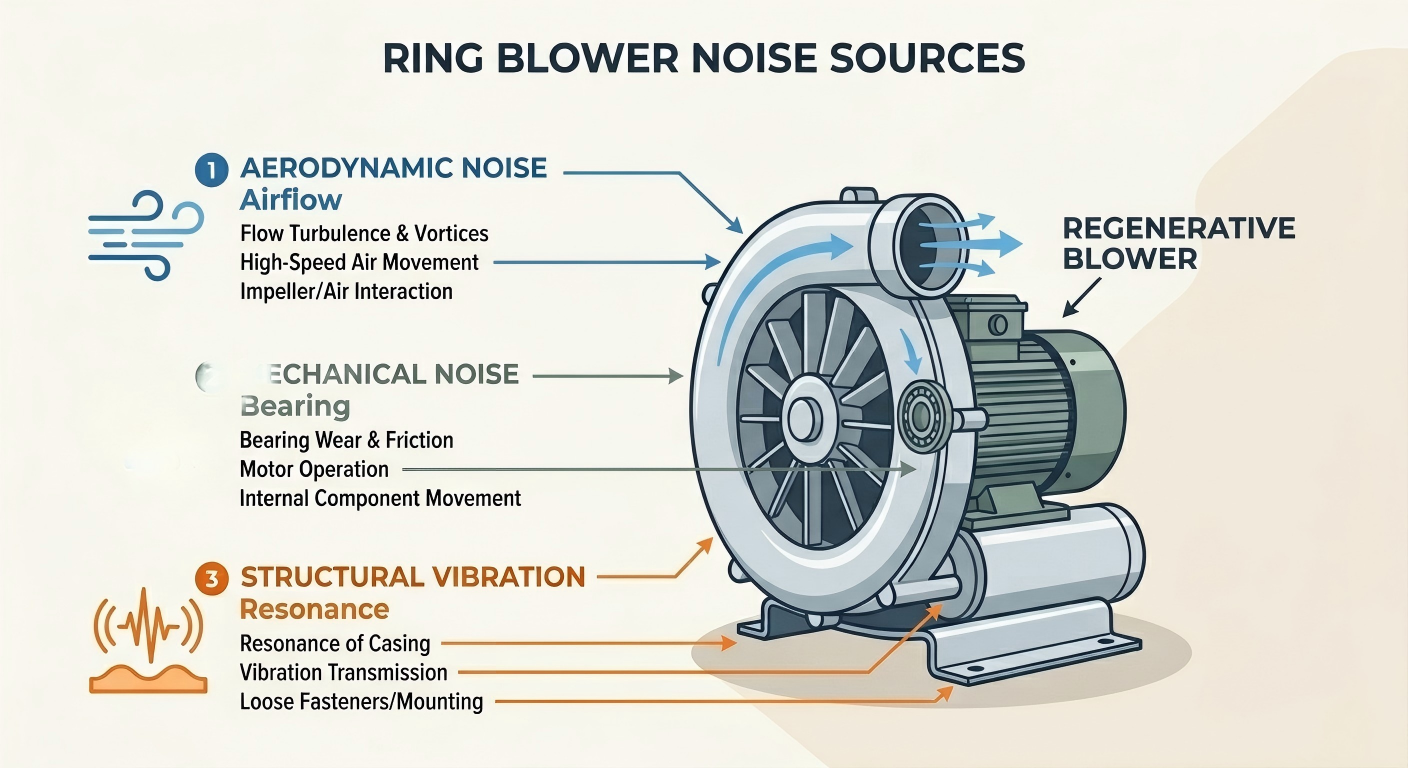
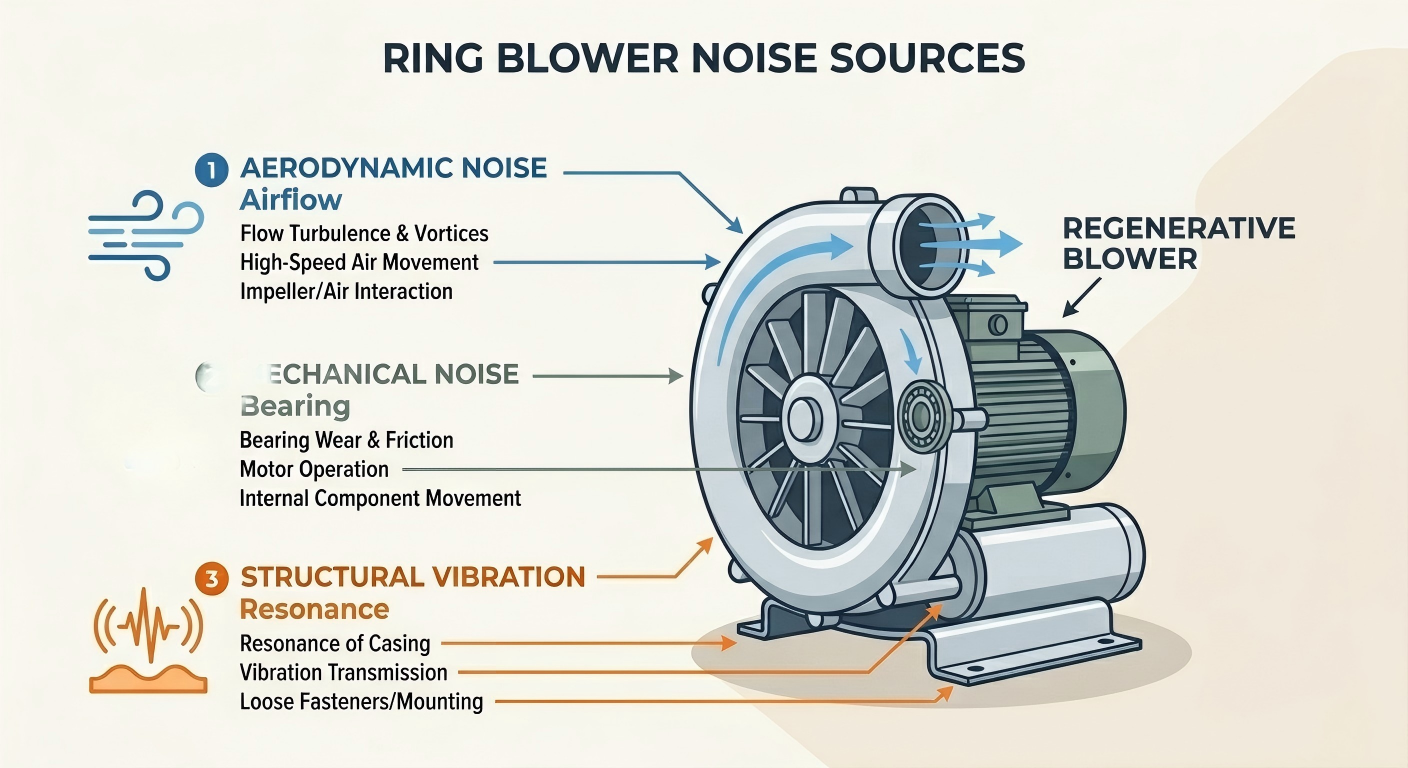
Understanding the source helps you choose the right fix. Ring blower noise usually comes from:
High-speed air movement creates turbulence, especially at the inlet and outlet. This is typically a sharp, high-frequency sound.
Bearings, motors, and the impeller generate continuous noise, which may increase as components wear.
Vibration travels through the base, floor, and connected pipes, turning structures into secondary noise sources.
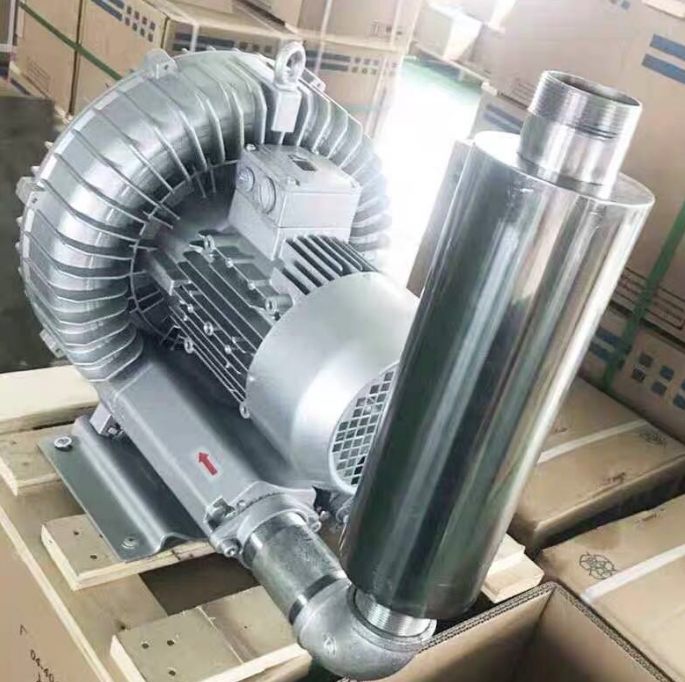
Mufflers are often the easiest way to cut noise quickly, especially for airflow-related sound.
In most cases, a properly selected muffler can reduce noise by around 5–15 dB. It won’t solve everything, but it’s a solid starting point.
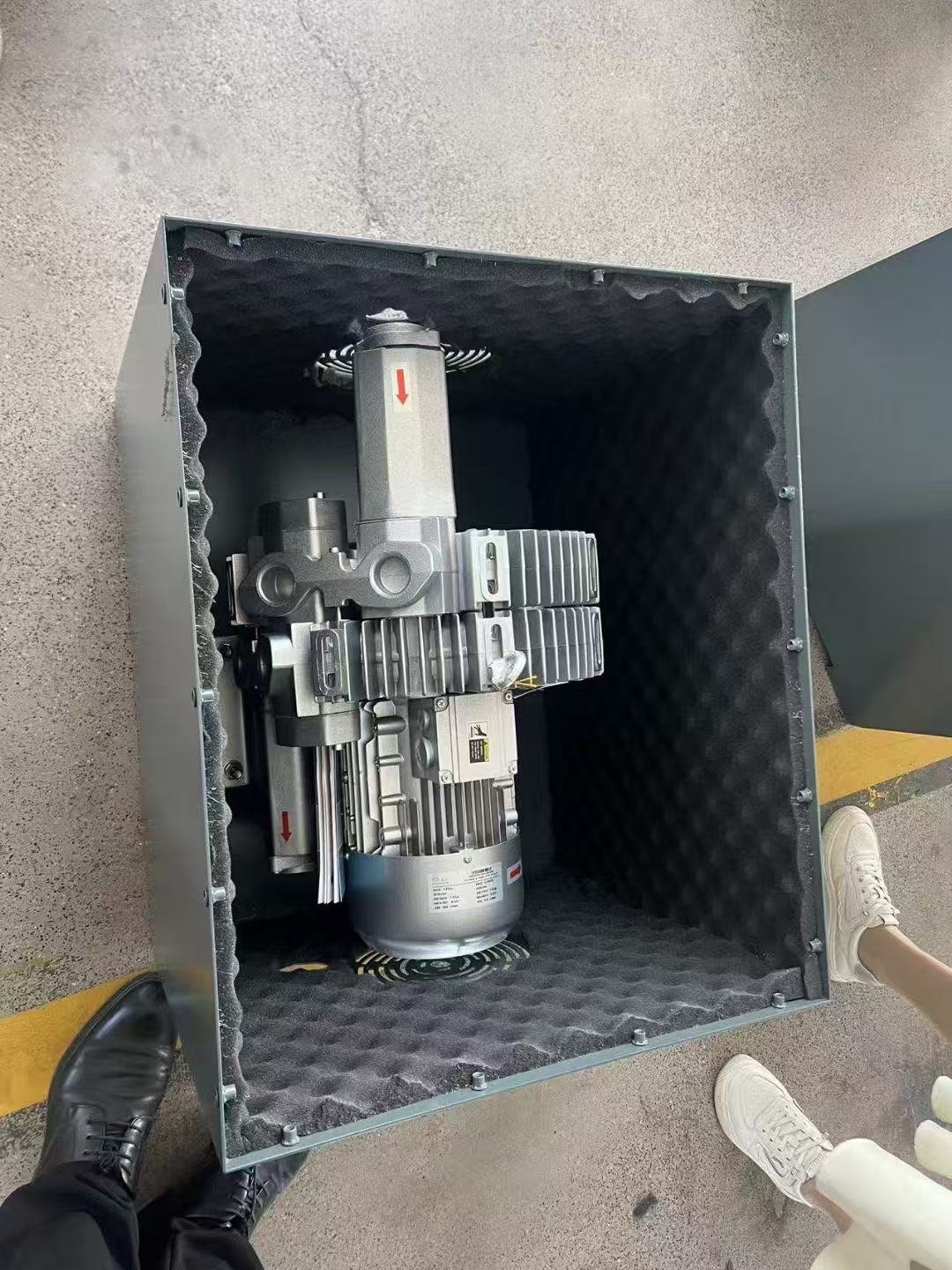
When basic measures aren’t enough, a soundproof enclosure provides a more noticeable reduction.
The blower is enclosed in a cabinet lined with sound-absorbing materials. This prevents noise from spreading into the surrounding area.
A well-built enclosure can reduce noise by 15–30 dB, covering both high and low frequencies.
If vibration is being transferred to the floor or structure, no amount of external insulation will fully solve the problem.
Noise problems are often made worse by poor setup rather than the blower itself.
Each solution targets a different type of noise. Using them together gives a much better outcome than relying on just one.
A practical setup might look like:
This layered approach is usually enough to bring noise within acceptable limits.
Different noise reduction methods come with varying costs and effectiveness.
| Solution | Cost Level | Noise Reduction | Best Use Case |
|---|---|---|---|
| Muffler | Low | Moderate | General applications |
| Anti-vibration base | Low–Medium | Moderate | Structural noise issues |
| Soundproof enclosure | Medium–High | High | Strict noise requirements |
Ring blower noise control doesn’t require complex solutions. Start with the basics: reduce airflow noise with mufflers, isolate vibration, and add an enclosure if needed. Most systems can be significantly quieter with these steps alone.
Focus on practical improvements rather than overengineering. Done right, you’ll get a quieter operation without affecting performance or increasing maintenance complexity.
上一篇:Regenerative Blower for Aquaculture Aeration
下一篇:没有了