Regenerative blowers have become a core aeration technology in modern aquaculture due to their stable airflow, energy-efficient performance, and oil-free operation. They support fish farms, shrimp ponds, hatcheries, and RAS facilities where consistent dissolved oxygen (DO) is essential for growth, water quality, and survival.
Maintaining adequate DO is vital for preventing stress, disease, and mortality. Aeration also stabilizes water quality by supporting biofiltration, improving mixing, and preventing anaerobic zones. As stocking densities increase, farms require reliable and continuous airflow — an area where regenerative blowers excel.
Fish and shrimp rely on dissolved oxygen for respiration, metabolism, and immunity. DO drops rapidly in:
Continuous aeration prevents asphyxiation, stress, disease susceptibility, and mass mortality.
Proper aeration supports:
This directly impacts feed conversion, growth rate, and survival.
Deliver air to diffuser grids to maintain DO in fish and shrimp ponds.
Used for MBBR biofilters, degassing towers, culture tanks, and skimmers.
Offer gentle, stable aeration essential for fry and larvae.
Compact blowers keep oxygen levels stable during fish transport.
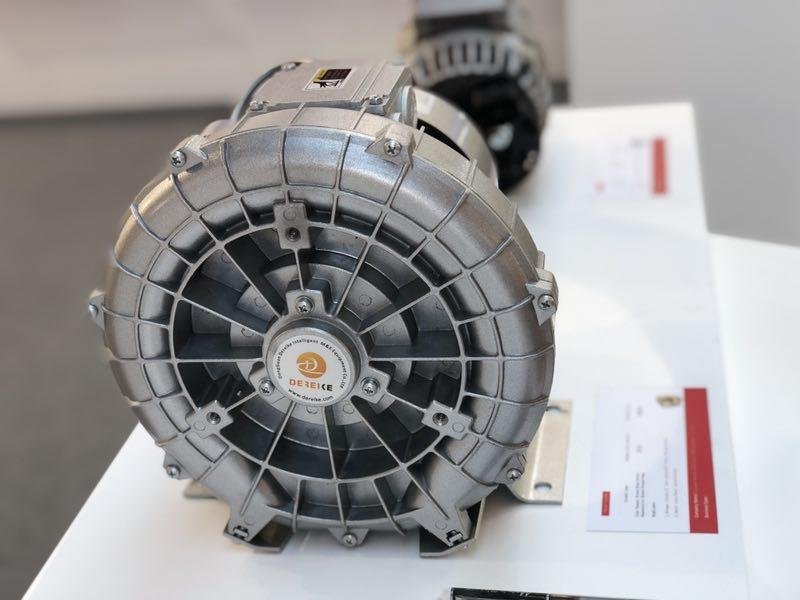
Regenerative blowers are engineered for long-hour use with minimal power consumption compared to traditional compressors and paddle wheels. This makes them ideal for farms seeking to reduce operational energy costs.
They operate without lubricants contacting the airflow path, ensuring:
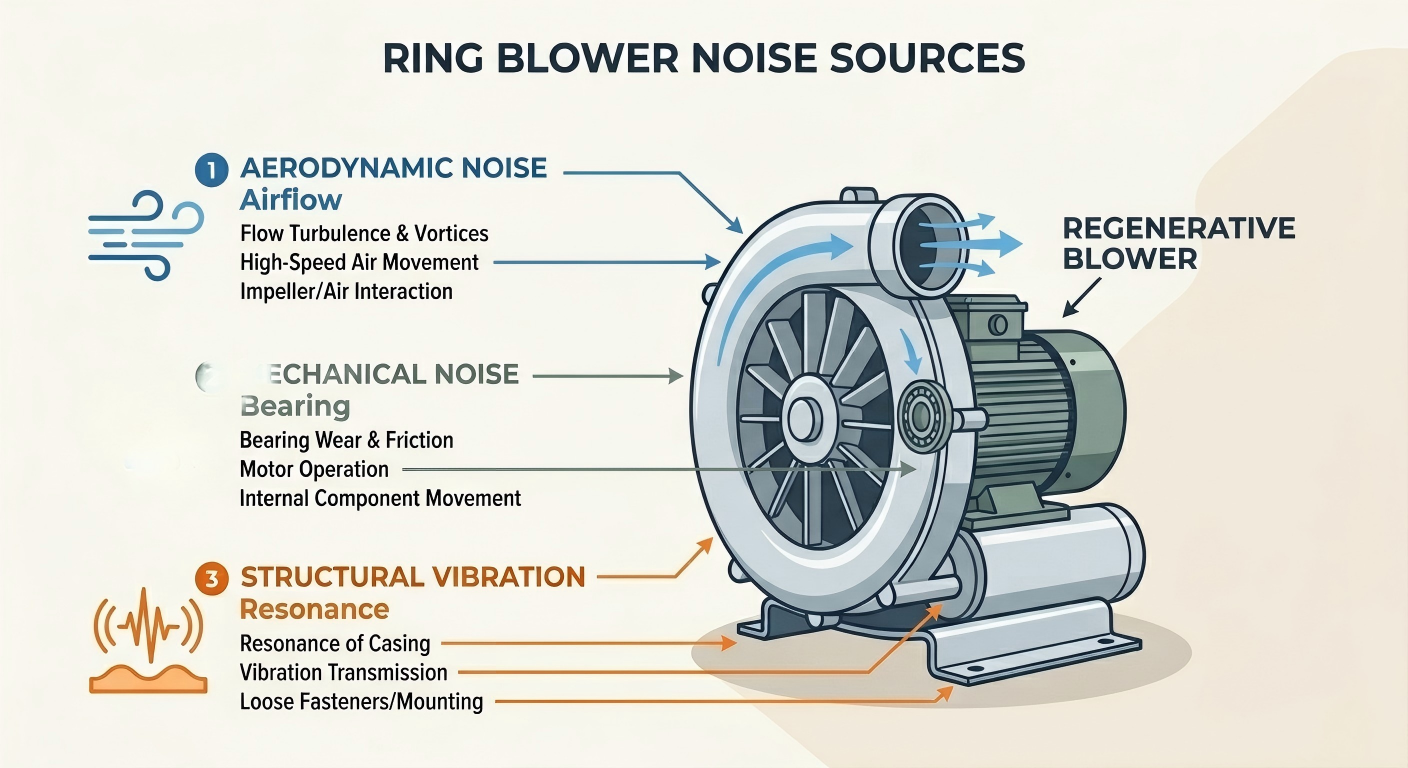
Fish and shrimp can be sensitive to vibration and noise. Regenerative blowers produce significantly lower noise levels, improving animal welfare and working conditions.
With only one moving component (the impeller), the system has:
This boosts reliability in remote or large-scale farms.
The same blower can power multiple devices, such as:
Regenerative blowers deliver clean, steady, and efficient aeration, making them an ideal choice for aquaculture systems that rely on stable dissolved oxygen levels. Their low maintenance, quiet operation, and cost-effective performance support both traditional pond culture and advanced recirculating aquaculture systems.